On November 5, the 30 candidates for Japan’s word or phrase of the year were announced. See the full list of terms that described 2026 for the Japanese-speaking population.
Babies born via in vitro fertilization reached a record 86,473 in Japan in 2024, representing approximately one in every eight births nationwide.



-
1
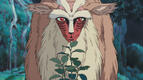
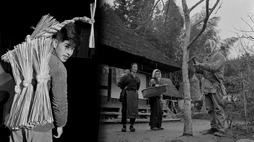
Miyazaki Hayao’s Animism: The Historical Theories That Shaped “Princess Mononoke”
-
2
Sagrada Familia Sculptor Sotoo Etsurō—A Half Century in the Service of Gaudí’s Open-Ended Masterpiece

-
3
Major-League Dreams: Japanese High Schoolers Pioneer a New Path to the MLB

-
4
Sacred Ground: Anime’s Nagano Heartland

-
5
Japan Shifts to “Pay Now, Refund Later” Tax-Free Tourist Shopping from November


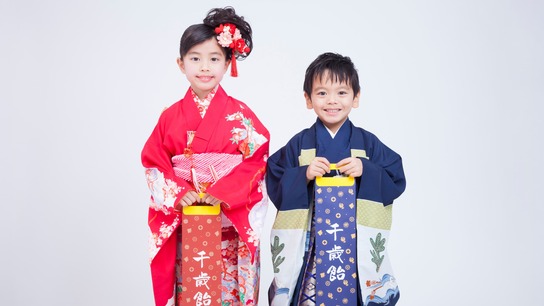
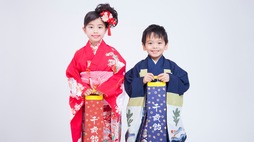
Shichi-Go-San is a traditional Japanese event to express gratitude for the growth of children reaching the ages of three, five, and seven, and to pray for their continued healthy development. Every November, smartly dressed children and their families pack shrines and temples across the country.
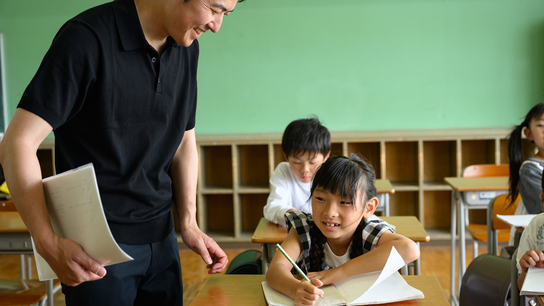
Despite administrative efforts to cut overtime, a recent survey finds that unreduced workloads mean most schoolteachers in Japan continue to put in long shifts.


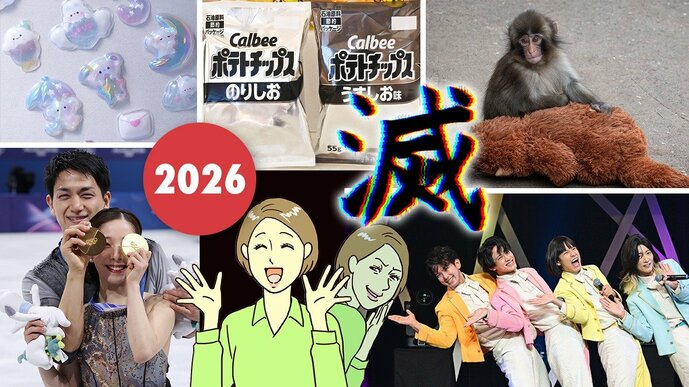
On November 5, the 30 candidates for Japan’s word or phrase of the year were announced. See the full list of terms that described 2026 for the Japanese-speaking population.


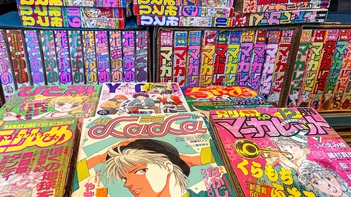
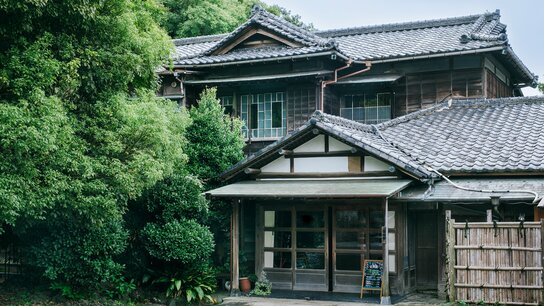
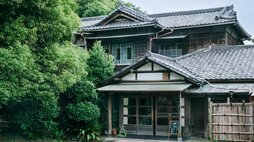
Once an exclusive seaside retreat favored by literary icons almost a century ago, Yokohama’s Kanazawa-en has found new life as a tranquil café.
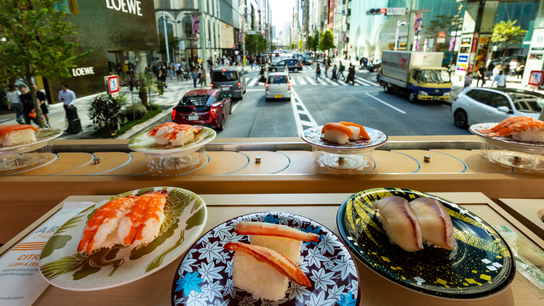
The scenery rolls by outside, and the sushi rolls by inside. A new gourmet sightseeing bus has hit the streets of Tokyo, taking passengers through some of the city’s best-known sites while they are treated to all-you-can-eat sushi.










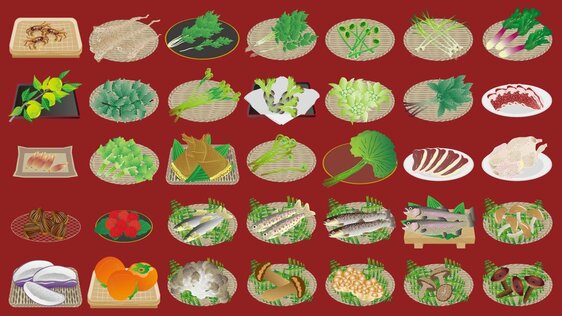
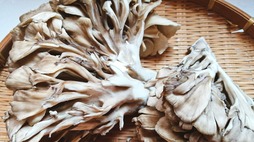
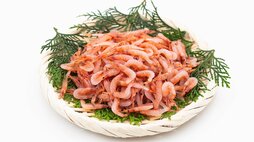
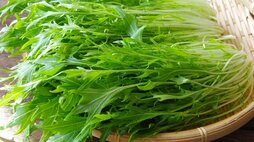
Today Japanese cuisine is popular all around the world. But at its heart lie many ingredients that are much less well-known. This series explores some of the items underpinning the dishes that diners love. (Banner photo © Pixta)
View More

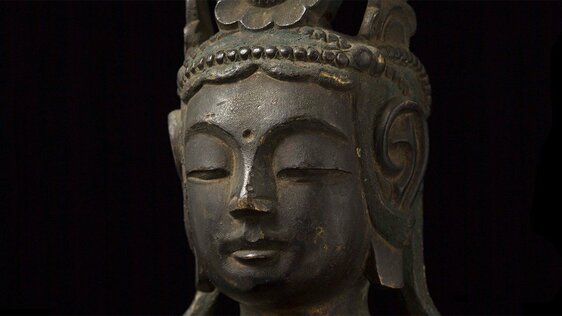
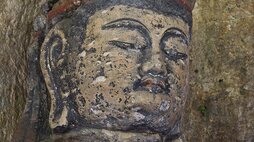
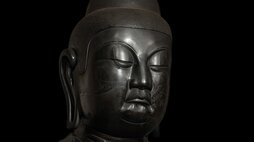
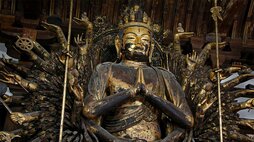
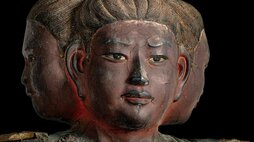
Buddhist statues in Japan have a history going back to the early seventh century CE, when Buddhism was brought to the country from the Asian continent. The methods and motifs of the artform underwent several shifts in early centuries before the sculptor Jōchō brought it to a peak of native Japanese refinement in the late Heian period. Buddhist sculpture continued to evolve thereafter, notably in the hands of the Kamakura period master Unkei. In this series, a specialist in Buddhist studies and art sets forth the details that will deepen observers’ understanding of these religious art masterpieces, accompanied by photographs by Muda Tomohiro.
(Photo: Close-up of a bronze image of a standing bodhisattva in the collection of the Tokyo National Museum. © Muda Tomohiro.)
PHOTOS




-
1
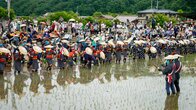
Rice-Planting Festivals: Folk Traditions Centering on the Rice Paddy Deity
-
2
Sumō Gone Global: Japan’s Traditional Sport in an International Age

-
3
Miyazaki Hayao’s Animism: The Historical Theories That Shaped “Princess Mononoke”

-
4
J-Horror Rises Again: Unraveling the Heart of Fear, Japan Style

-
5
Japan’s Top Events in Autumn 2026